


-

Add: HeBei ShengShi HongBang Cellulose Technology CO.,LTD.
-

Email
13180486930@163.com -

CONTACT US
+86 13180486930
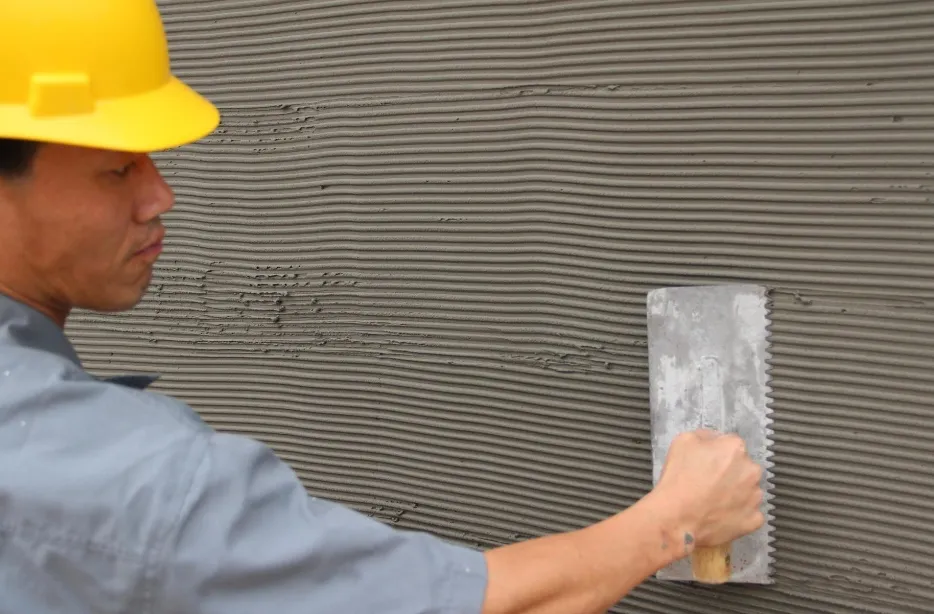



In the world of modern construction, synthetic fibers have revolutionized the way materials are used, enhancing the strength, flexibility, and durability of various building components. The different types of synthetic fibers available today are engineered for specific uses, making them indispensable in many construction projects. These fibers are often used to reinforce concrete, improve the resilience of building structures, and provide additional benefits like increased fire resistance and weather protection. From polypropylene fibers to long glass fibers , synthetic fibers offer a range of options tailored to different needs. Whether it’s increasing the strength of cement or providing insulation properties, the different types of synthetic fibers ensure that construction projects meet high standards of quality and longevity. In addition to their superior performance, synthetic fibers are often more cost-effective and readily available than traditional materials. This makes them a preferred choice for construction companies aiming to reduce costs while maintaining high-quality results. Furthermore, the environmental impact of synthetic fibers is increasingly being addressed with sustainable production methods, making them a more eco-friendly option for the construction industry. Long Glass Fiber Polypropylene: A Key Ingredient for Stronger Materials One of the standout synthetic fibers in the construction industry is long glass fiber polypropylene . This innovative fiber combines the strength of glass with the lightweight, corrosion-resistant properties of polypropylene. As a result, long glass fiber polypropylene is often used to reinforce concrete and other building materials, providing a significant boost in durability and performance. The inclusion of long glass fiber polypropylene in construction materials helps reduce cracking and improve the structural integrity of buildings and roads. The long fibers create a matrix that distributes stresses evenly across the material, preventing localized damage. This fiber is particularly useful in high-strength concrete applications where additional reinforcement is needed. Moreover, long glass fiber polypropylene is highly resistant to environmental factors like moisture, UV radiation, and temperature changes, making it ideal for both indoor and outdoor construction projects. It is commonly used in applications like paving, drainage systems, and even in the production of prefabricated building components. Its versatility and effectiveness in improving the lifespan and reliability of building materials make it a go-to solution for modern construction needs. Fibre Natural and Synthetic: A Comparison of Strength and Sustainability When choosing materials for construction, understanding the difference between fibre natural and synthetic options is crucial. While natural fibers such as jute, hemp, and cotton have been traditionally used in construction, synthetic fibers like polypropylene, polyester, and nylon have emerged as more durable and cost-effective alternatives. Fibre natural and synthetic materials each have their own advantages, making them suitable for different types of applications. Natural fibers are renewable, biodegradable, and often produced using more sustainable methods, making them a more eco-friendly option. However, they may not offer the same level of strength or resistance to environmental factors as synthetic fibers. On the other hand, synthetic fibers are engineered for durability, offering superior resistance to moisture, heat, and wear. They are often used to enhance the properties of natural materials, making them more suitable for demanding construction environments. For example, natural fibers like hemp may be used in insulation or as a reinforcement material in low-stress applications, while synthetic fibers like polypropylene or polyester are used for high-strength reinforcement in concrete, roofing, and other critical structures. By combining the best of both fibre natural and synthetic materials, construction companies can achieve optimal performance and sustainability. Non-Woven Polypropylene Fiber: A Revolutionary Material in Construction Non woven polypropylene fiber is another essential material that is increasingly being used in the construction industry. Unlike traditional woven fabrics, non woven polypropylene fiber is made from a process that bonds fibers together without weaving or knitting, resulting in a highly versatile material with excellent durability and moisture resistance. This fiber is widely used in applications like drainage systems, geotextiles, and road construction. Non woven polypropylene fiber provides a lightweight yet strong solution for reinforcing construction materials. It is often used in soil stabilization, as it helps prevent erosion and improves the strength of the ground underneath roads, bridges, and buildings. The material's ability to resist moisture also makes it ideal for protecting against corrosion and extending the lifespan of infrastructure. Additionally, non woven polypropylene fiber is environmentally friendly, as it is made from recyclable polypropylene, a material that can be repurposed for various other uses. Its cost-effectiveness, combined with its high-performance qualities, makes it a popular choice for contractors seeking durable and sustainable solutions for their construction projects. S ynthetic F ibers FAQs What are the different types of synthetic fibers used in construction? Synthetic fibers used in construction include polypropylene, polyester, nylon, and glass fibers. Each type is engineered for specific applications, such as reinforcing concrete, improving durability, and providing insulation. What is long glass fiber polypropylene, and why is it important in construction? Long glass fiber polypropylene is a fiber that combines the strength of glass with the lightweight, corrosion-resistant properties of polypropylene. It is essential in construction for reinforcing concrete, improving structural integrity, and preventing cracking. What are the benefits of using natural fibers in construction? Natural fibers , like hemp or jute, offer benefits such as renewability, biodegradability, and sustainability. They are commonly used for insulation and low-stress reinforcement, but may not be as durable or resistant to environmental factors as synthetic fibers. How does non-woven polypropylene fiber differ from woven fabrics? Unlike woven fabrics, non-woven polypropylene fiber is made through a bonding process that does not involve weaving or knitting. This results in a highly durable and moisture-resistant material, commonly used in geotextiles, drainage systems, and soil stabilization. Are synthetic fibers environmentally friendly? While synthetic fibers are often made from petroleum-based products, many are now produced using more sustainable methods. Additionally, materials like non woven polypropylene fiber are recyclable, making them a more environmentally friendly choice in construction. As construction needs evolve, synthetic fibers like long glass fiber polypropylene and non woven polypropylene fiber continue to play a crucial role in enhancing the strength, durability, and sustainability of building materials. If you're in the construction business, investing in these cutting-edge fibers will improve the performance of your projects and contribute to more eco-friendly practices. Visit our website today to explore our wide range of high-quality synthetic fibers and learn how they can transform your construction projects!
- 40000tons

Production
- 20+years

Experience
- 5000+㎡

Acreage

-
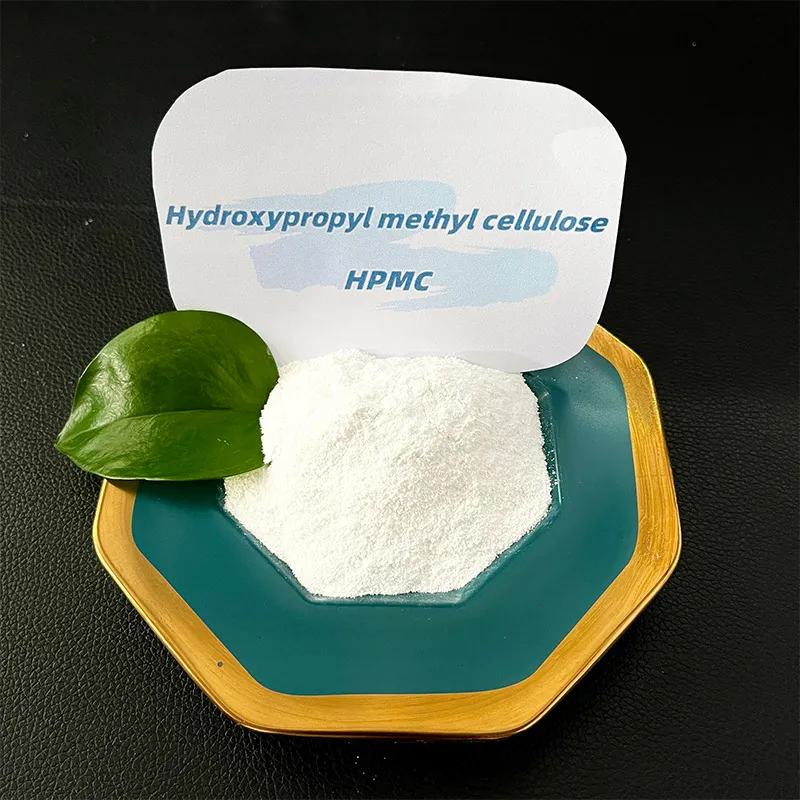
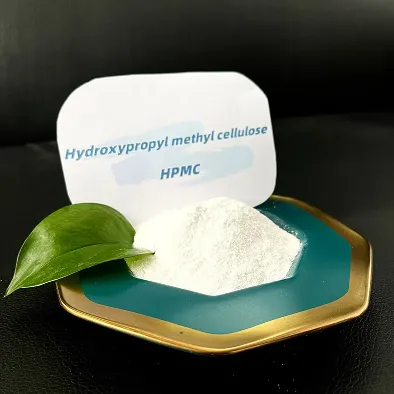
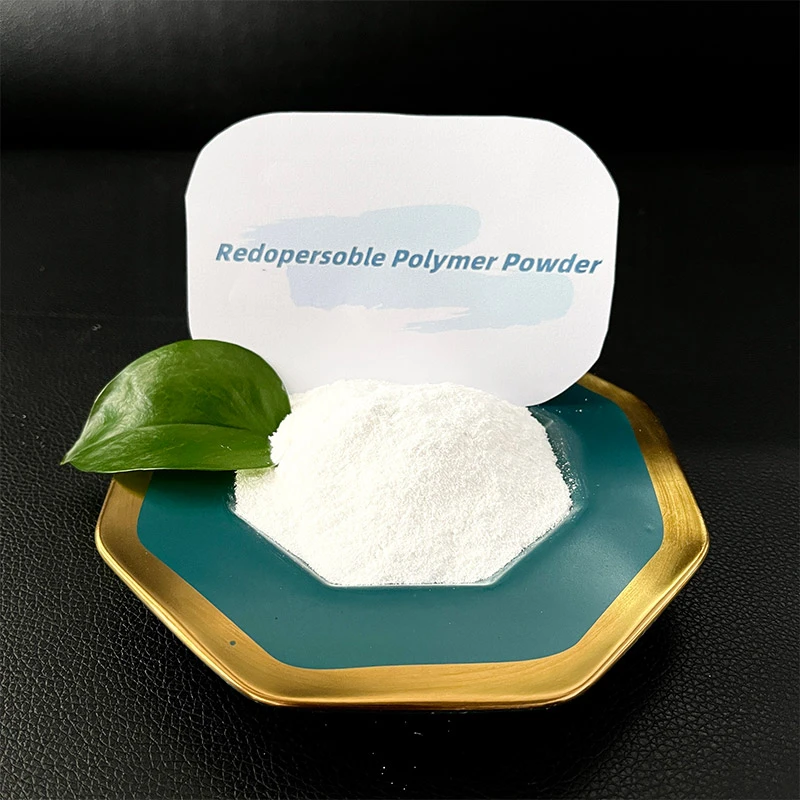
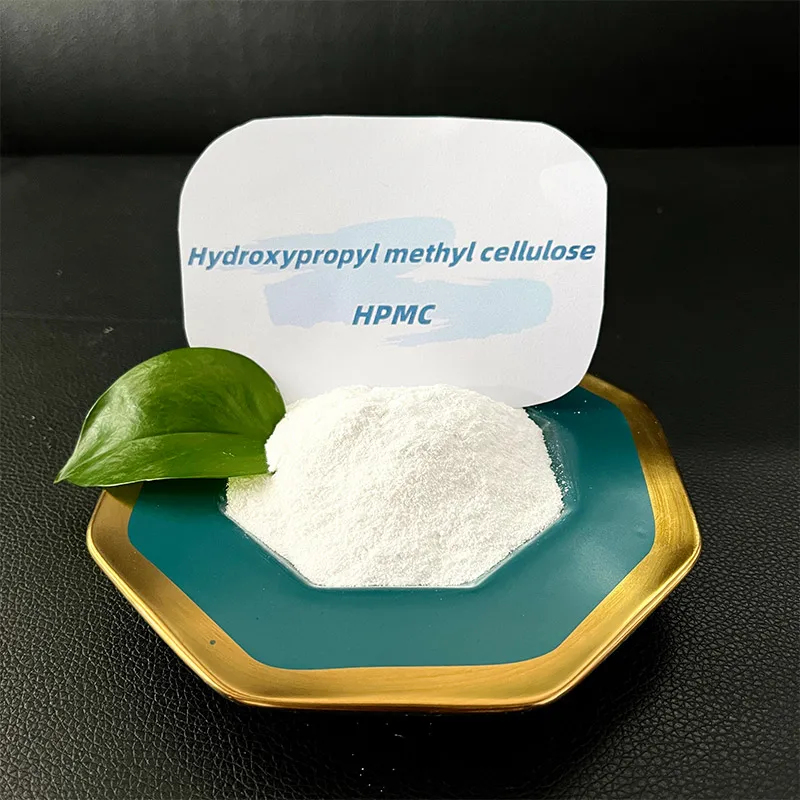
Hydroxypropyl methylcellulose (HPMC) has become an integral component in the construction industry, particularly in the formulation of mortar. With its multifunctional properties, HPMC has revolutionized how mortar performs under various conditions, enhancing its utility and efficiency in building projects. Drawing from extensive industry experience and scientific expertise, this article explores the various facets of HPMC for mortar, focusing on its role, benefits, and application, ensuring a comprehensive understanding that can benefit professionals and enthusiasts seeking authoritative information. Mortar, a pivotal material in construction, requires a balance of viscosity, adhesion, and workability. HPMC, a non-ionic cellulose ether derived from natural cellulose, bridges the gap between traditional mortar components and modern construction needs. Its inclusion in mortar formulations significantly enhances water retention, increases open time, and improves workability — all crucial factors for masonry efficiency and durability. One of the key advantages of HPMC in mortar is its excellent water retention capabilities. This characteristic ensures that water is held within the mortar matrix for extended periods, allowing for better hydration of the cement particles. As a result, the strength of the mortar improves, reducing the risk of cracks and increasing the overall longevity of the constructed element. Professional builders recognize this enhanced strength as a critical facet for ensuring the structural integrity of walls and other structures subjected to various environmental stressors. Moreover, HPMC improves the workability of mortar, which is particularly beneficial during application. A mortar mix that includes HPMC demonstrates superior spreadability, making it easier to apply and adjust. This property is invaluable for masons who require precise placement and alignment during construction activities . It minimizes waste, reduces the effort and time required for application, and therefore, enhances cost-efficiency — a benefit echoed by construction project managers focused on optimizing resources and expenses. Another significant attribute of HPMC is its ability to prolong open time. This refers to the period during which mortar remains workable after being mixed with water. With extended open time, construction workers can undertake more complex tasks without being rushed to complete the mortaring before it sets, ensuring greater accuracy and precision in their work. This feature is particularly advantageous in large-scale projects or specific environments where conditions such as wind and temperature fluctuations can negatively impact setting times. hpmc for mortar The thermal stability of HPMC further adds to its credibility and suitability in various climatic conditions. It adapts well to temperature changes, maintaining performance and consistency. This adaptability ensures that mortar containing HPMC can be reliably used in diverse environments, from hot and arid areas to cold and humid regions, thus extending its application range and making it a versatile choice for global construction needs. In terms of professional expertise, the use of HPMC in mortar requires an understanding of formulation adjustments depending on specific project requirements. Consulting experts who possess expertise in construction chemistry can provide insights into optimizing HPMC content for desired properties. This specialized knowledge ensures that the mortar mix not only meets but exceeds project expectations, leading to superior construction outcomes. Trust in HPMC's efficacy is underpinned by rigorous testing and compliance with international building standards. Its widespread adoption in construction projects across the world attests to its reliability and performance. Trade publications, scientific journals, and case studies consistently highlight HPMC’s advantages, reflecting the trust placed in it by industry professionals. Investing in mortar products enhanced with HPMC signifies a commitment to quality, efficiency, and durability. It positions builders ahead of industry trends, ensuring that their projects are robust, cost-effective, and sustainable. For those seeking to gain a competitive edge in the construction industry, embracing HPMC for mortar is not merely an option but a strategic imperative that aligns with progressive building practices.
-

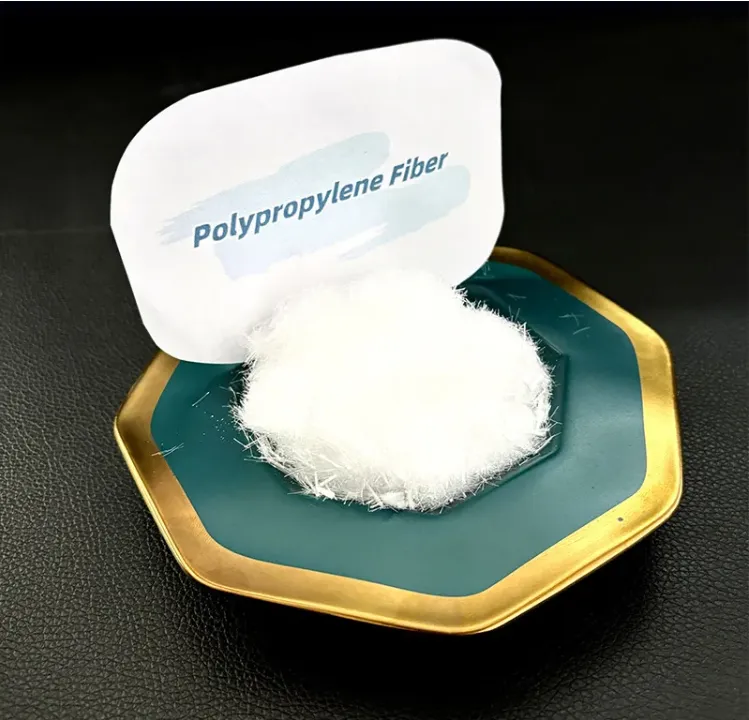
The Impact of Polypropylene Fiber on Concrete Concrete is a widely used construction material, essential for various structures ranging from buildings to bridges. Its properties, including strength and durability, can be enhanced through various additives and reinforcement materials. One such innovation is the incorporation of polypropylene fiber, which has garnered significant attention in the field of civil engineering. This article aims to explore the effects of polypropylene fiber on concrete, focusing on its benefits, mechanisms, and overall impact on structural performance. Polypropylene fibers are synthetic fibers derived from polymer resins. Due to their unique characteristics, including excellent chemical resistance, low density, and strong tensile strength, they are increasingly used as reinforcements in concrete mixtures. The primary role of these fibers is to improve the concrete's mechanical properties, particularly its tensile strength, ductility, and impact resistance. The Impact of Polypropylene Fiber on Concrete In addition to crack resistance, polypropylene fibers also improve the impact resistance of concrete. When subjected to sudden loads or impact forces, concrete can fail catastrophically. The addition of polypropylene fibers enables the concrete to absorb and dissipate energy more effectively, thereby mitigating sudden failures. This is particularly beneficial in applications such as pavements, where heavy traffic loads can lead to material fatigue and eventual failure. epekto ng polypropylene fiber sa kongkreto Moreover, polypropylene fibers enhance the ductility of concrete. Ductility refers to the ability of a material to deform under tension without fracturing. By incorporating these fibers, engineers can design concrete structures that are not only strong but also capable of undergoing significant deformation before failure occurs. This property is especially crucial in seismic areas, where structures must withstand dynamic loads. The mixing process also benefits from the addition of polypropylene fibers. Unlike steel reinforcement, which can corrode and compromise the integrity of concrete, polypropylene fibers are resistant to corrosion. This characteristic is particularly advantageous in harsh environmental conditions, such as exposure to chemicals or moisture. Additionally, the lightweight nature of these fibers does not add significant weight to the concrete mix, making it easier to handle and pour. Despite these advantages, it is essential to consider the appropriate dosage of polypropylene fibers in concrete mixes. Excessive amounts can lead to a reduction in workability, making the concrete difficult to place and finish. Therefore, finding the right balance is crucial to maximize the benefits while ensuring the material remains usable. In conclusion, the incorporation of polypropylene fibers into concrete mixes presents numerous benefits, including enhanced crack resistance, improved impact strength, increased ductility, and durability against environmental factors. These attributes make polypropylene fiber-reinforced concrete an attractive option for various construction applications. As research continues to explore the full potential of polypropylene fibers, it is likely that their usage in the construction industry will expand, leading to safer, more resilient structures. Ultimately, the impact of polypropylene fiber on concrete will contribute to the advancement of modern construction practices, ensuring infrastructure meets the demands of an ever-evolving world.
advantages
-

200000 Viscosities
Excellent product
We can produce pure products up to 200,000 viscosities
-

40000 tons
High yield
We don’t stop production all year round, and the annual output can reach 40,000 tons
-

24 hours
Quality service
We provide 24-hours online reception service, welcome to consult at any time
———— Inquiry Form
Schedule A services
-
 hydroxypropyl_methylcellulose_food
Oct . 25, 2025
Hydroxypropyl Methylcellulose (HPMC) is an essential polymer used across various industries due to i -
 serat_pp
Oct . 25, 2025
Hydroxypropyl Methylcellulose (HPMC) has become an indispensable component in various industries due -
 microfibra_sintetica
Oct . 25, 2025
The Rise and Impact of Man-Made Synthetic Fibers The evolution of textiles has significantly influen


